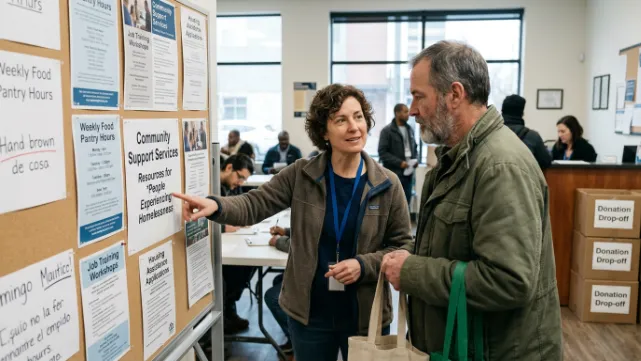
Words matter when we talk about people facing difficult situations. The term homeless is widely understood, but in many settings it may sound too direct or focus only on a person’s housing status. Using a “PC way to say homeless” helps you speak with more empathy, respect, and dignity.
If you are writing an article, speaking in a meeting, creating social media content, working in healthcare, or having a personal conversation, choosing respectful language can make a positive difference. Person-first language reminds us that housing is a circumstance, not a person’s identity.
In this guide, you’ll discover respectful alternatives, practical examples, conversation tips, and short phrases that help you communicate with kindness while staying clear and accurate.
PC Way to Say Homeless in Professional and Everyday Conversations
When speaking with coworkers, friends, community members, or the public, respectful language creates understanding and shows compassion.
- Person experiencing homelessness
- Person without stable housing
- Person without permanent housing
- Individual experiencing housing insecurity
- Person facing housing challenges
- Person in need of housing
- Person without a home
- Individual seeking housing
- Community member experiencing homelessness
- Neighbor experiencing homelessness
- Person living without permanent shelter
- Person facing housing instability
- Individual lacking stable housing
- Resident without permanent housing
- Individual in temporary housing
- Person between homes
- Person in transitional housing
- Individual experiencing displacement
- Person affected by housing loss
- Person without secure housing
- Individual facing a housing crisis
- Person needing housing support
PC Way to Say Homeless in Social Services, Healthcare, and Nonprofit Settings
Professionals often use person-first language that focuses on circumstances rather than labels.
- Individual experiencing homelessness
- Client experiencing housing instability
- Person seeking permanent housing
- Individual in need of shelter
- Housing-insecure individual
- Individual without stable residence
- Resident experiencing displacement
- Client facing housing insecurity
- Person accessing emergency shelter
- Individual requiring housing assistance
- Community member needing housing support
- Person living in temporary accommodation
- Individual without long-term housing
- Resident awaiting permanent housing
- Person receiving housing services
- Individual at risk of homelessness
- Person affected by housing instability
- Client seeking safe housing
- Person transitioning into housing
- Individual needing supportive housing
- Community resident facing housing challenges
- Person working toward stable housing
PC Way to Say Homeless in News Reports and Public Writing
Journalists, bloggers, and public speakers should use language that is accurate, respectful, and free from stereotypes.
- Person experiencing homelessness
- Residents experiencing homelessness
- Community members without stable housing
- Individuals facing housing insecurity
- People seeking permanent housing
- Residents living in temporary accommodation
- Individuals without secure housing
- People accessing emergency shelters
- Community members facing housing challenges
- Individuals in transitional housing
- Residents displaced by economic hardship
- People affected by housing instability
- Individuals without permanent residences
- People in need of housing support
- Residents working toward stable housing
- Community members seeking affordable housing
- Individuals rebuilding after housing loss
- People receiving housing assistance
- Residents facing a housing crisis
- Individuals awaiting permanent housing
- People experiencing temporary displacement
- Community members needing shelter services
PC Way to Say Homeless for Schools and Educational Discussions
Teachers, students, and educators often use compassionate language that promotes understanding and respect.
- Student experiencing homelessness
- Student facing housing instability
- Learner without stable housing
- Family experiencing homelessness
- Child in temporary housing
- Student living in transitional housing
- Family seeking stable housing
- Student affected by housing insecurity
- Child without permanent housing
- Family receiving housing support
- Student in emergency accommodation
- Family facing a housing crisis
- Learner needing housing assistance
- Child experiencing displacement
- Student without secure housing
- Family working toward stable housing
- Student receiving community support
- Child in temporary shelter
- Family rebuilding after housing loss
- Student seeking permanent housing
- Learner facing temporary hardship
- Child in need of safe housing
PC Way to Say Homeless in Government and Policy Documents
Government agencies and organizations often use formal, neutral language that focuses on housing conditions rather than labels.
- Individuals experiencing homelessness
- Persons experiencing housing insecurity
- Residents without stable housing
- Individuals lacking permanent housing
- People requiring housing assistance
- Persons facing housing instability
- Individuals living in temporary accommodation
- Residents in need of affordable housing
- People seeking permanent housing solutions
- Individuals accessing shelter services
- Persons affected by housing displacement
- Residents requiring supportive housing
- Individuals at risk of homelessness
- Persons without secure housing
- Community members needing housing resources
- Individuals eligible for housing assistance
- Residents experiencing a housing crisis
- Persons transitioning into permanent housing
- Individuals requiring emergency housing
- People receiving housing services
- Residents facing long-term housing challenges
- Individuals pursuing housing stability
Common Words to Avoid When Talking About Homelessness
Using respectful language helps reduce stigma. These alternatives are generally more thoughtful than outdated or negative labels.
- Avoid labeling people by their housing status
- Say person experiencing homelessness instead of homeless person when possible
- Use person-first language
- Avoid words that sound insulting or dismissive
- Focus on housing circumstances, not identity
- Do not make assumptions about someone’s background
- Use compassionate and neutral wording
- Remember that housing situations can change
- Speak with empathy rather than judgment
- Keep your language factual and respectful
- Avoid stereotypes
- Respect individual dignity
- Choose inclusive vocabulary
- Be mindful of your audience
- Use accurate descriptions
- Avoid sensational language
- Recognize that every person’s story is different
- Focus on solutions instead of labels
- Promote understanding through respectful communication
- Encourage kindness in conversations
- Use current and inclusive terminology
- Lead with compassion in every discussion
Kind and Compassionate Alternatives to Homeless
Sometimes you want language that feels warm, caring, and human. These phrases help keep the focus on the person instead of the situation.
- Neighbor in need of housing
- Someone going through a housing crisis
- Person rebuilding their life
- Individual looking for a safe place to live
- Someone facing hard times
- Person searching for stable housing
- Community member needing support
- Someone overcoming housing challenges
- Person working toward a fresh start
- Individual seeking a secure home
- Someone between homes
- Person in transition
- Individual deserving safe housing
- Someone facing temporary hardship
- Person hoping for stable housing
- Individual receiving community support
- Neighbor experiencing difficult circumstances
- Someone working toward independence
- Person affected by unexpected life changes
- Individual needing compassion and support
- Community member seeking stability
- Person moving toward permanent housing
Short Alternatives to Homeless
Need a quick and respectful phrase? These options are simple and easy to use.
- Unhoused
- Housing insecure
- Unsheltered
- Between homes
- Without housing
- Without stable housing
- Seeking housing
- Displaced
- In temporary housing
- Housing challenged
- Without permanent shelter
- In transition
- Housing support needed
- Without secure housing
- Temporary accommodation
- Shelter resident
- Housing assistance recipient
- Housing seeker
- At risk of homelessness
- Transitional housing
- Housing unstable
- Seeking permanent housing
Tips for Using PC Ways to Say Homeless
Use Person-First Language
Say person experiencing homelessness instead of defining someone by their housing status.
Match the Situation
Professional reports may require formal wording, while everyday conversations can use simpler language.
Stay Respectful
Avoid words that sound judgmental or make assumptions about someone’s life.
Be Clear
Choose language that is both compassionate and easy for your audience to understand.
Focus on the Person
Remember that housing status is only one part of someone’s life and does not define who they are.
Conclusion
Choosing a PC way to say homeless helps your communication become more respectful, thoughtful, and inclusive. If you are writing for work, speaking with others, creating educational content, or having everyday conversations, person-first language shows empathy while keeping your message clear.
Use the alternative that best fits the situation, your audience, and your purpose. Small changes in language can make a meaningful difference in how people feel respected and understood. Which respectful alternative do you use most often?
Discover More Article
- Professional Ways to Say Upset Stomach for Every Situation 💼 (2026)
- What Is Another Way to Say Worked With? Best Alternatives 📚 (2026)
- Another Way to Say Experience in Professional and Everyday English 💼 (2026)

I am Geoffrey Chaucer, a passionate writer with 6 years of experience. I run othirway.com, where I explore English grammar, writing tips, and creative ways to express ideas. My mission is to make learning and writing engaging, clear, and fun for readers of all levels.