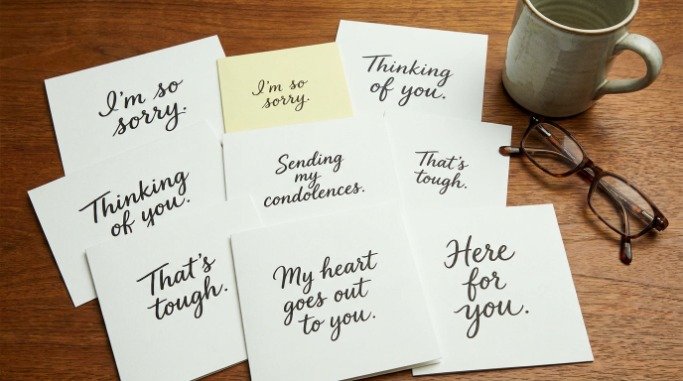
When someone shares bad news, a health problem, a loss, or a hard experience, saying “Sorry to Hear That” is a kind way to show care. But using the same phrase every time can feel a little plain or repetitive.
Knowing another way to say Sorry to Hear That helps you respond with more warmth and understanding. You can choose words that fit the situation, If you are talking to a close friend, coworker, family member, customer, or someone you barely know.
The right response can make someone feel heard and supported. Sometimes a short message is enough. Other times, a caring sentence can mean much more.
Another Way to Say Sorry to Hear That in a Caring Way ❤️
When someone is going through a difficult time, your words should show kindness and support. These phrases work well with friends, family, coworkers, and people who need a little comfort.
- I’m really sorry to hear that.
- I’m so sorry you’re going through this.
- I’m sorry you’re dealing with this.
- That must be really difficult for you.
- I’m sorry you had to experience that.
- I hate to hear that you’re going through this.
- My heart goes out to you.
- I’m thinking of you during this difficult time.
- I’m here for you if you need anything.
- I hope things get better soon.
- I’m sending you my best wishes.
- I’m sorry things have been so hard.
- That sounds really tough.
- I can understand why you’re upset.
- I’m keeping you in my thoughts.
- Please know that I’m thinking about you.
- I hope you find some comfort soon.
- I’m sorry you’re facing this right now.
- You have my full support.
- I wish I could make things easier for you.
- I’m always here if you want to talk.
- I hope tomorrow brings you some peace.
- Sending you lots of support.
- I’m truly sorry you’re going through this.
- I hope things start looking brighter soon.
These phrases are useful when you want to sound warm, caring, and sincere. Choose one that matches how close you are to the person.
Another Way to Say Sorry to Hear That Professionally 💼
In the workplace, you may need to respond to bad news without sounding too personal. A professional response should be polite, respectful, and supportive.
- I’m sorry to hear about this.
- I’m sorry you’re dealing with this situation.
- I’m sorry to hear that you’re facing this challenge.
- That sounds like a difficult situation.
- I’m sorry this happened.
- I hope everything works out for you.
- I appreciate you sharing this with me.
- Please accept my best wishes during this difficult time.
- I’m sorry to hear about the situation.
- I hope things improve soon.
- My thoughts are with you during this challenging time.
- I’m sorry you’re going through this.
- I understand this must be difficult.
- Please let me know if I can assist in any way.
- I’m wishing you strength during this time.
- I hope you are able to find a solution soon.
- I’m sorry to hear about the difficulties you’re experiencing.
- Thank you for letting me know.
- I hope the situation gets better soon.
- Please take care of yourself.
- I’m thinking of you and wishing you well.
- I’m sorry that you have had to deal with this.
- I hope you receive the support you need.
- Please know that we are thinking of you.
- I wish you all the best as you work through this.
For professional situations, avoid overly emotional language unless you have a close relationship with the person. A simple and respectful response is often best.
Funny and Light Ways to Say Sorry to Hear That 😅
Sometimes the person sharing bad news is a close friend who enjoys humor. In a suitable situation, a light response can bring a small smile without ignoring their feelings.
Use these only when the situation is not serious and you know the person well.
- Oof, that sounds rough.
- Well, that definitely wasn’t on your bingo card.
- Yikes, I’m sorry you had to deal with that.
- That is one terrible plot twist.
- Oh no, what a mess.
- Ouch, life really chose violence today.
- That sounds like a day nobody ordered.
- Well, that escalated quickly.
- I’m sorry, buddy. That sounds awful.
- Oh wow, you really can’t catch a break.
- That’s rough, my friend.
- Yikes, sending emergency friendship vibes.
- Oh no, not another problem.
- That sounds like a serious headache.
- Life owes you a refund for that one.
- That is definitely not how today was supposed to go.
- I’m sorry, but wow, what a story.
- You really got handed a difficult one.
- That sounds painfully unlucky.
- Ouch, I wish I could press the undo button for you.
- That situation deserves a giant nope.
- Well, that was an unfortunate surprise.
- Sending you sympathy and imaginary snacks.
- I’m sorry you had to survive that nonsense.
- Okay, life needs to calm down now.
Humor can help, but timing matters. Never use a joke when someone is dealing with grief, serious illness, trauma, or another deeply painful event.
Short Ways to Say Sorry to Hear That 💬
Sometimes you need a quick reply. These short options are useful for texts, chats, social media, and casual conversations.
- I’m so sorry.
- I’m really sorry.
- That’s so sad.
- That’s really tough.
- I’m sorry to hear that.
- So sorry about that.
- I hate to hear that.
- That sounds awful.
- That must be hard.
- I’m here for you.
- Thinking of you.
- Sending support.
- Stay strong.
- Take care.
- I hope things improve.
- Wishing you well.
- My thoughts are with you.
- I’m thinking of you.
- Sending you comfort.
- I hope things get better.
- That sounds difficult.
- I’m sorry you’re facing this.
- Please take care of yourself.
- Wishing you strength.
- I hope tomorrow is better.
These short replies are perfect when you want to show support without writing a long message.
Tips for Using Another Way to Say Sorry to Hear That 💡
Choosing the right words is only part of a good response. How and when you say them also matters.
Match Your Tone
Think about your relationship with the person. A close friend may appreciate a warm or casual response, while a coworker may need something more professional.
Keep Serious Situations Serious
Avoid jokes when someone is dealing with grief, serious illness, major loss, or trauma. Simple words can be more powerful than humor.
Offer Support
If appropriate, add a line such as I’m here if you need anything. This shows that your response is more than just polite words.
Do Not Make It About Yourself
Try not to immediately respond with a long story about something that happened to you. Give the other person space to share their feelings.
Be Sincere
You do not need complicated words. A simple I’m really sorry you’re going through this can feel much better than a long response that sounds forced.
Conclusion
Knowing another way to say Sorry to Hear That gives you more ways to show kindness, support, and understanding. The best phrase depends on the person, situation, and relationship.
For serious situations, choose warm and sincere words. At work, keep your response respectful and professional. With close friends, you may use casual or even light humor when the situation allows it. And when you need a fast reply, a few caring words can be enough.
The most important thing is not finding the perfect phrase. It is showing the other person that you heard them and care about what they are going through.
Which of these alternatives would you use the most?
Discover More Article
- Another Way to Say I Miss You 💕 Heartfelt Expressions (2026)
- Another Ways to Say Thinking of You ❤️ Make Your Message Special (2026)
- What’s Another Way to Say I Love You? ❤️ Sweet Ideas (2026)

I am Joseph Conrad, a passionate writer with 5 years of experience exploring English grammar, writing tips, and unique ways to improve communication. At my site, Othirway.com, I share practical advice and creative insights to help readers enhance their language skills and express themselves more effectively.